
Fanatic · Balham enquiries
Sofa Cleaning Balham
For a well-used sofa, the most useful enquiry explains how the fabric differs across the seats, arms and cushions. Balham upholstery care can then address suitable accumulated residues while keeping wear and construction limitations part of the discussion.
Fabric-specific assessment
Seats, arms and backs discussed
Drying planned before use
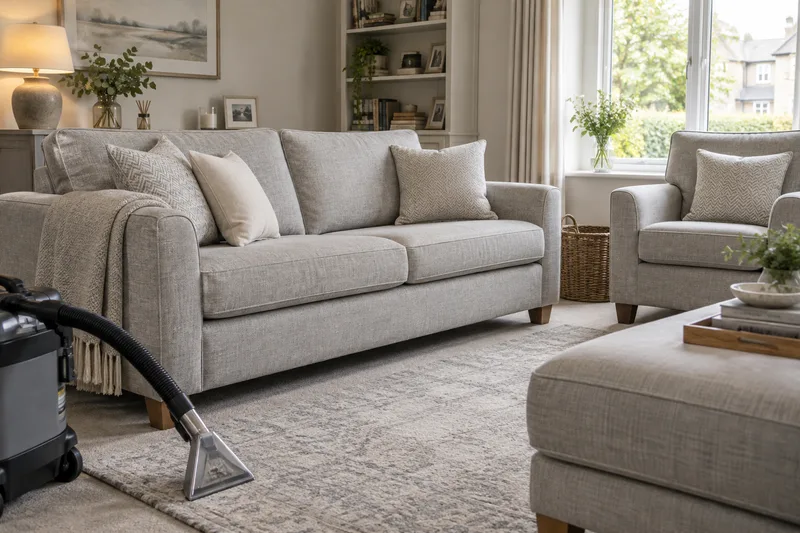
Where does the fabric look or feel different?
Photograph the whole sofa and locate the most used seat, arm tops and head-contact areas. Say whether a patch feels greasy, sticky or stiff, and distinguish a recent spill from general accumulated residue. A close-up is useful alongside a whole-piece view because it shows the concern in its furniture context.
Give the seat count and identify a chaise, corner return or separate chair. The sofa service overview explains assessment of textiles and construction. This keeps the enquiry focused on the actual seating instead of a general request to freshen every upholstered item in the room.
What do labels and cushion details tell us?
Share the sofa’s own care label, and explain whether cushions are fixed or loose. A removable cushion cover may still have a sensitive backing, trim or fitted shape, so do not interpret a zip as permission to machine wash it. Mention replacement cushions or mixed fabrics that differ from the sofa body.
Describe loose seams, thinning cloth, fading or a texture change in heavily used spots. These can remain after removable soil is addressed. A useful expectation separates cleaning benefit from permanent wear, rather than assuming the most used seat can always be made to match a protected rear panel.
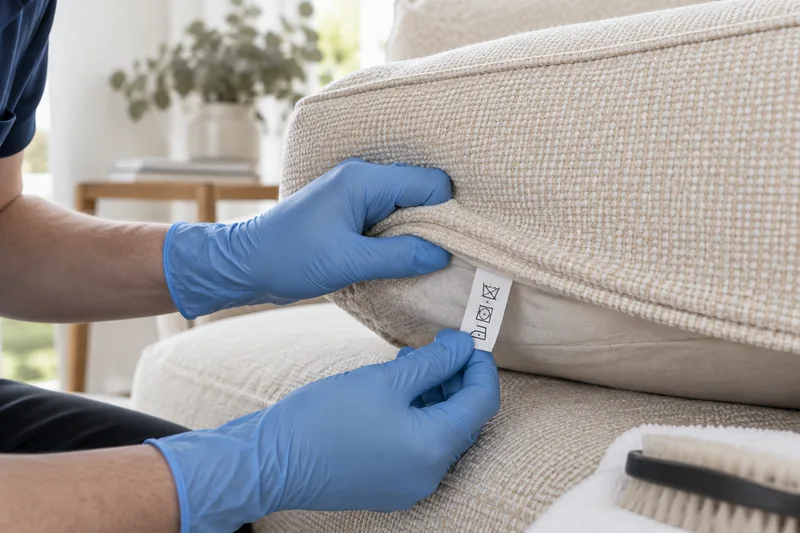
How is suitable upholstery extraction controlled?
Preparation can remove accessible loose material before the fabric and colour sensitivity are assessed. Where appropriate, upholstery extraction applies solution and recovers it with loosened residue, managing moisture according to the textile and cushion construction. Saturating the furniture is not a necessary sign of thorough cleaning.
Name earlier spot products and any ring or stiffness that appeared afterwards. Avoid adding another foam or wash cycle before the assessment. If part of the furniture is leather, identify that material through Balham leather care, so a suitable fabric process is not applied by assumption across unlike surfaces.
Can everyday use be organised around the visit?
Plan another place to sit while the upholstery is treated and dries. Give the Balham address, postcode and route from the entrance, including stairs or a narrow doorway. Tell us about furniture close to walls and discuss substantial movement rather than trying unsafe lifting to expose every back panel.
Remove loose throws, personal objects and fragile items nearby. Keep pets and children clear of equipment and treated material. If a spill also reached fitted flooring, add Balham carpet cleaning with its own area and stain history; the sofa enquiry does not automatically include the floor underneath.
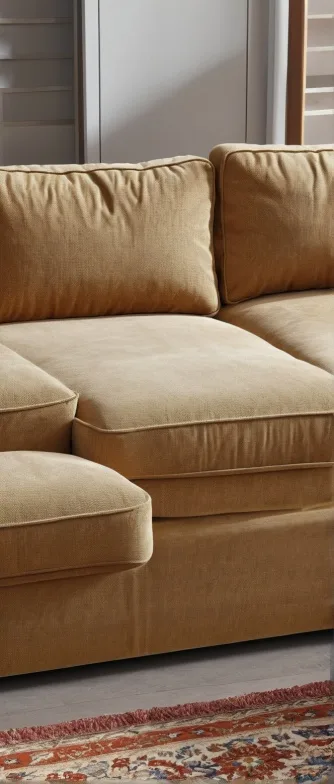
Which surfaces should the total describe?
Seat count provides an initial reference, but the quotation should also identify the pieces and accessible surfaces accepted. Ask about cushion faces, arms, back panels and any separate footstool so the person present can recognise the agreed work. Fixed construction or wall position may affect practical access.
The upholstery price bands are indicative ranges for the enquiry. Confirm the assessed total before accepting, with no additional fees above the agreed quotation. If another chair is later added, settle its inclusion and material information beforehand instead of treating nearby furniture as an automatic extension of a sofa booking.
How should the cushions return to use?
Ask for advice about positioning loose cushions, suitable airflow and readiness for this material. Treated fabric and underlying layers can dry at different rates, so a quick touch on the top is not a universal test. Follow the guidance given rather than applying intense direct heat or covering damp fabric with throws.
Once the seating is ready, review the original concern under similar light and report any recurring mark. Routine care should follow the actual fabric instructions, including appropriate loose-soil removal. Repeated rubbing of a worn contact area will not replace damaged fibres and may make a physical texture change more pronounced.
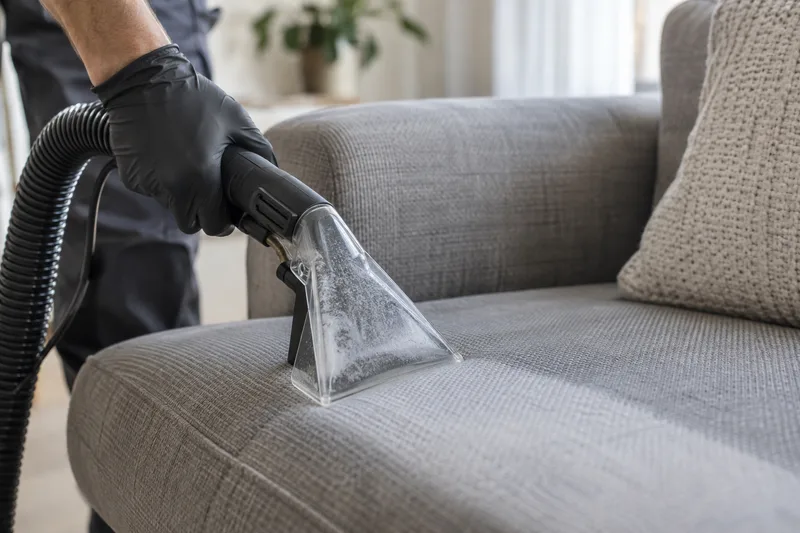
Balham seating scope and estimate
| Item or area | Guide from | Published range |
|---|---|---|
| Small sofa, one or two seats | £40 | £40–£60 |
| Three-seater sofa | £60 | £60–£90 |
| Corner or L-shaped sofa | £100 | £100–£150 |
Published estimates, not a confirmed Balham tariff. Agree the total and scope before booking. No additional fees are added to the agreed quotation.
Questions about regularly used upholstery
Can a frequently used seat look different after cleaning?
Yes, physical wear, fading or a replacement fabric can remain different from surrounding panels. Assessment should distinguish those conditions from removable residues so the expected benefit is clear before treatment is agreed.
Does a zipped cover belong in the washing machine?
Not automatically. Check its own care information and construction, including backing and trim. Removing a cover for washing without confirmation can affect shape, colour and fit independently of the visible stain.
Can an armchair be included with the sofa?
Name it as a separate item, provide its size and label, and confirm the proposed surfaces. The accepted quotation should state both pieces rather than assuming a chair in the same room is covered.
Are extra fees added for Balham upholstery?
No additional fees are added above the agreed quotation. Give the full furniture list, fabric concerns and access details before accepting the total and scope for the proposed visit.
Other items in the same Balham enquiry
For a different address, see Sofa Cleaning Clapham or Sofa Cleaning Tooting. Confirm the property details and the scope for that enquiry.
Show how the Balham seating is used
Provide the full seating view, care information and close-ups of the contact areas that concern you. A clear fabric and cushion brief makes it easier to agree useful cleaning work and a practical drying plan.