
Carpet cleaning
How to Prepare Your Carpet for a Professional Clean
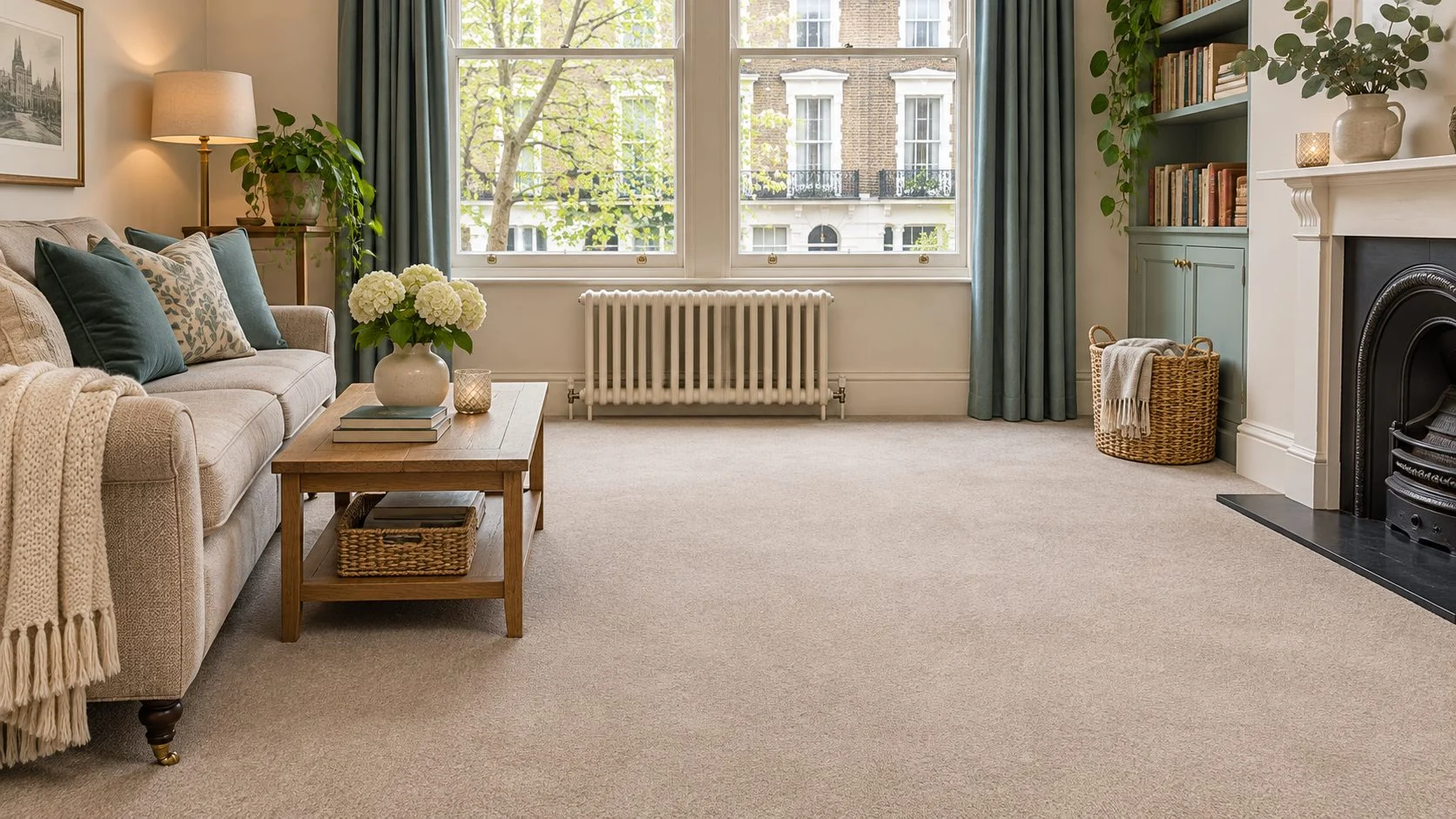
Preparing a room before a carpet clean need not become a second cleaning job. A little planning helps the cleaner reach the areas you want treated, understand any problem marks and work around the realities of your home. It also makes the period after cleaning easier to manage. The useful preparation is practical: identify the carpet, make a clear route, move small belongings and decide how you will use the room while the carpet dries.
If you have booked professional carpet cleaning for a London flat or house, start with the room itself rather than buying a treatment or scrubbing at an old stain. A carpet’s fibre, construction and existing condition affect what can safely be done. Let the cleaner assess uncertain marks and follow any care information supplied by the carpet manufacturer.
Check what carpet you have
Look for an installation record, product label or paperwork from the retailer. If the carpet came with the property, ask the landlord or managing agent whether they know the material. Wool, synthetic fibres and blends can respond differently to moisture, agitation and cleaning products. A visual guess is unreliable, particularly when a synthetic carpet has been made to look like wool.
You do not need to become a fibre expert before the appointment. Simply pass on whatever information you have and mention when the material is unknown. If a room contains a separate area rug, identify it as a separate item. Rugs can have different backing, dyes and construction from fitted carpet, so they may need their own assessment and rug cleaning approach.
Check the carpet for existing damage while you are looking at it. Note loose seams, frayed edges, lifting corners, worn patches or areas where the backing is visible. If the floor beneath has previously been affected by water, mention that too. Recording the condition with your own photographs can be useful, especially in a rented home, but there is no need to photograph every square metre.
Make a clear route into the room
Think about the path from the entrance to the carpet. Move shoes, bags, toys and other loose objects from the hallway and doorways. In a London terrace or flat, narrow stairs and corridors can make access more awkward than the room itself. Let the cleaner know in advance about stairs, restricted parking, a lift that requires booking or a building rule that limits working hours. Those details may affect how the appointment is arranged.
Inside the room, pick up small items from the floor: chargers, cables, plant pots, magazines, pet bowls and lightweight storage boxes. Put fragile objects somewhere stable. If you can safely move a coffee table or a small chair, decide whether you want the carpet beneath it treated and make room for it elsewhere. Do not strain yourself moving a heavy sofa, wardrobe or bookcase. Ask what furniture can be worked around or moved safely during the clean.
Clearing the floor is particularly helpful around skirting boards and under low furniture, where dust and loose grit collect. However, you do not need to empty the room completely unless this has been agreed for the particular job. A sensible rule is to remove the things you can lift comfortably and discuss anything larger.
Vacuum loose soil without overdoing it
A normal vacuum before the appointment can remove crumbs, hair and surface grit. Give busy routes, doorway edges and the space around furniture a steady pass. Use an attachment for corners and along skirting boards if your machine reaches them. If the carpet has a delicate pile or the manufacturer recommends a particular vacuum setting, follow that guidance.
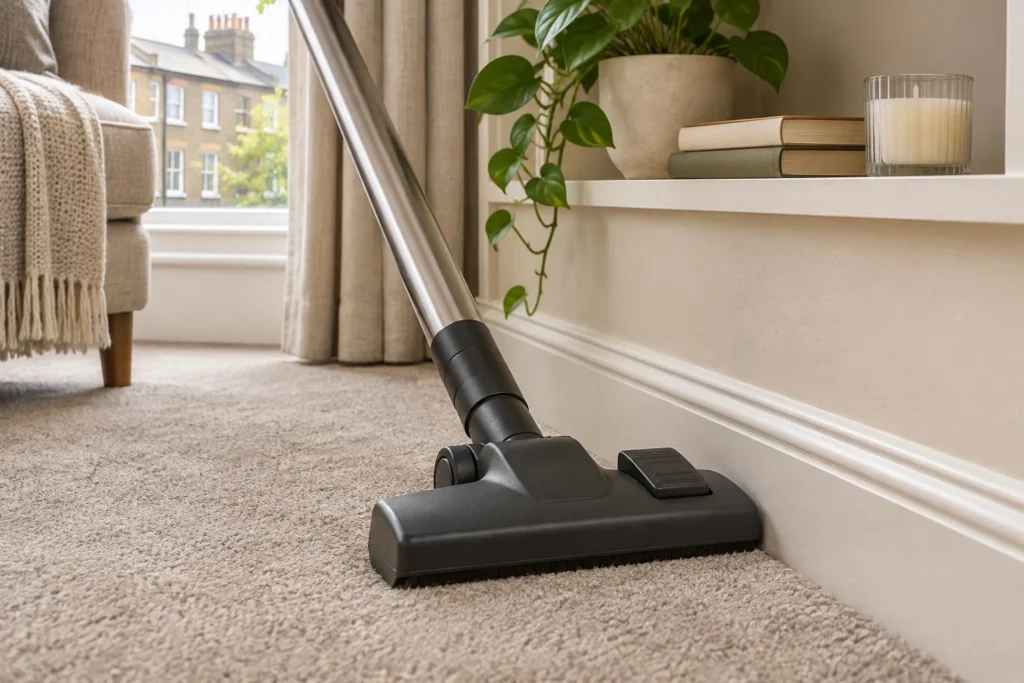
Do not keep making aggressive passes over a worn area in the hope of improving it. A carpet clean cannot reverse physical wear. Likewise, avoid using a stiff brush on a looped or delicate pile where it might snag fibres. If a vacuum catches a loose thread, stop and point it out rather than pulling the thread free.
Point out marks and explain their history
Walk through the room and identify the areas that matter most to you. A dark line by an entrance, a drink spill near the sofa and a recurring mark beside a radiator may need different attention. Tell the cleaner what was spilled if you know, how long ago it happened and whether you tried a product on it. That last detail matters because previous treatment may have changed the material or the stain.
If a spill is fresh, blot excess liquid with a clean, absorbent cloth, working gently from the outside towards the centre. Avoid rubbing, flooding the spot or mixing household products. The wrong product can spread colour, leave residue or affect the carpet dye. Check the manufacturer’s instructions, and seek advice if the fibre or backing is uncertain. No method can guarantee that every mark will disappear.
It helps to distinguish a stain from wear or discolouration. Flattened pile, colour fading from sunlight and a patch damaged by bleach are not the same as removable soil. Explain what you see without trying to diagnose it. A realistic assessment before treatment is better than an expectation based on how a mark looks from across the room.
Plan for pets and people
Arrange a quiet space for pets while work is taking place and while the carpet remains damp. Keep their bedding, bowls and favourite toys out of the cleaning area. If your pet is nervous around visitors or equipment, mention it and make a plan that keeps everyone comfortable.
Children and other household members also need a route through the home. If the room is a passage to a kitchen or bathroom, ask how access can be managed. You may be able to clean rooms in an order that preserves a dry route, but this depends on the layout and the work agreed. Before the appointment, make sure essential items such as medication, work equipment and keys are outside the room.
Think ahead about drying
Drying time cannot be promised as one fixed number. It depends on the carpet construction, the method used, room temperature, airflow, humidity and how much soil or spotting treatment is needed. Ask for advice specific to your carpet after the cleaner has assessed it. Do not replace furniture or allow ordinary use simply because the surface feels dry in one place.
Before the appointment, see whether windows can be opened safely and whether the room has ventilation. In wet or cold weather, opening every window may be impractical; follow the advice given for the method used. If you have a dehumidifier or fan, ask whether and how it should be used. Keep electrical equipment and trailing leads away from damp flooring.
Plan where furniture, rugs and foot traffic will go until the carpet is ready. Moving furniture back too early can trap moisture or leave marks, especially where metal or wooden feet touch the carpet. Ask whether protective tabs or blocks are appropriate.
A simple final check
Before the cleaner arrives, take one last look at the room: small items are off the floor, fragile pieces are safe, the route is clear and the marks you want assessed are easy to find. Have any care information to hand. If there are restrictions on access, parking or water and electricity use, explain them early. Then leave the technical decisions to the person carrying out the clean.
Good preparation creates space for an accurate assessment and a more orderly appointment. It does not require harsh pre-treatment or a perfectly empty home. If you are unsure what to move or how a particular carpet should be treated, contact Fanatic Carpet Cleaning about the carpet in your room and describe the material, the problem areas and the access before the visit.